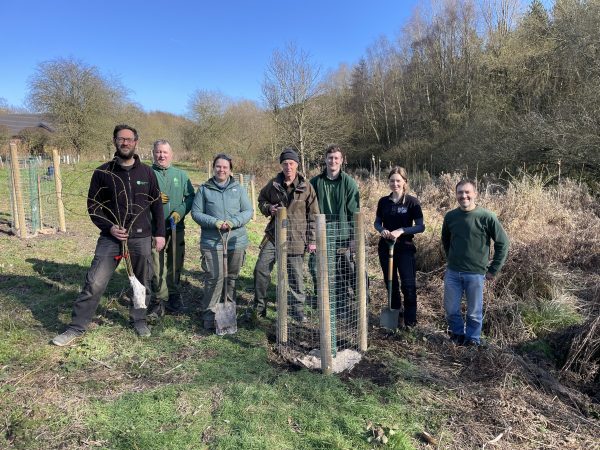
Black poplar is a rare and declining species, due to the loss of floodplain habitats where it naturally regenerates. In Nottinghamshire, there are estimated to be 700–1000 trees, though this is uncertain as they often hybridise with other poplar species.
We recently joined a black poplar project with the Environment Agency and Notts Biodiversity Action Group.
So far, 53 trees have been genetically identified, with a goal to protect existing trees and plant 200 more over the next five years.
Black poplars can be propagated from cuttings planted directly into soil, with trees coppiced after three years to produce more cuttings. Nottingham Trent University hosted the first planting, followed by Vicar Water Country Park, where eight cuttings have been planted near a stream.
These trees flower early and provide valuable pollen and nectar for wildlife.
If you’re considering planting, early flowering species like wild cherry, blackthorn, and willow are great options.
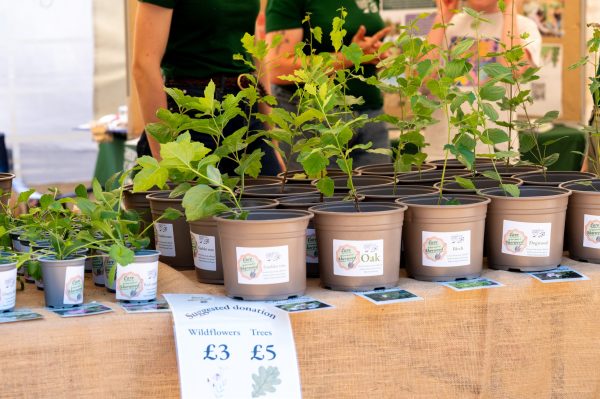
As part of our “Care for Your Patch of Sherwood” campaign, we’re offering native broadleaf trees, get in touch for planting advice or how to get involved.
info@sherwoodforesttrust.org.uk