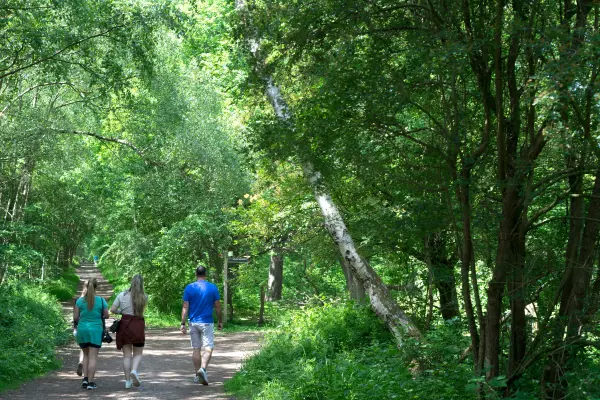
Sherwood’s No Longer Forgotten Heathlands
Nottinghamshire has lost over 80% of its lowland heathland, and only one sixth of the heathland present in 1800 remains. It is a rare and threatened habitat, making it a priority for nature conservation.
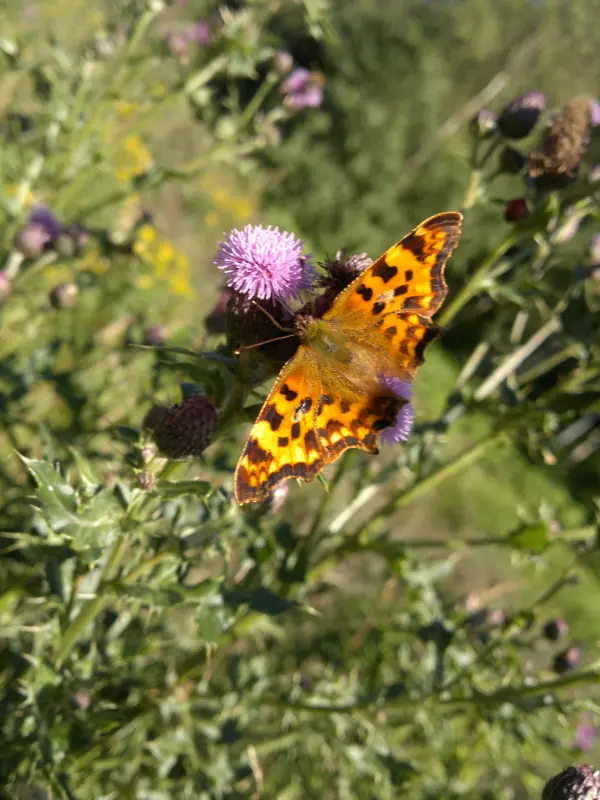
Sherwood’s No Longer Forgotten Heathlands
This project is funded by the National Lottery Heritage Fund, thanks to money raised by National Lottery players. The £249,000 grant allows us to restore and protect Nottinghamshire’s rare lowland heathlands – precious habitats that are home to wildlife such as adders, nightjars and glow-worms.
With this support, we can continue vital conservation work, work alongside local community groups, and encourage more people to get involved in caring for these special landscapes. We are hugely grateful to the Heritage Fund and to everyone who plays the National Lottery for making this work possible.


What is Heathland?
Lowland heath was once common on the sandstone areas of Nottinghamshire and large areas of Sherwood Forest were covered in heathland.
Heath is found on barren, sandy and infertile soils. Its soil is acidic and low in nutrients. In past centuries heath was seen as low value because it was so hard to grow crops there. But today they’re a precious and increasingly rare part of our landscape, on which a wide range of species depend.
The UK holds roughly a fifth of all the lowland heath in the world. Nottinghamshire, once rich in healthland, has lost 80% of its lowland heath since 1800.
The Sherwood Forest Trust have a mission to restore what’s left, for the use of nature and people. Heathland is threatened. For example, last year large parts of Oak Tree Heath near Mansfield became a target for deliberate fire-setting. Local youth are taught in school about the importance of saving the Amazonian rain forest. Yet few realise the heathland on their doorstep is actual a remnant of Europe’s most famous medieval hunting forest.

Sherwood Heath
The Sherwood Forest Trust manages this site on behalf of Newark and Sherwood District Council and the Thoresby Estate.
Activities vary from scrub management, surveying wildlife, habitat creation, balsam and bracken bashing, litter picking and repairment works.
There has been some considerable investment in Sherwood Heath since 1987, and this has resulted in many improvements to the site.
The heath was awarded a Green Flag Award for the first time in 2016, in recognition for its facilities and standards. The Friends of Sherwood Heath volunteer group played a major role in both helping to secure this award and in making the heath a welcoming, stimulating and sustainable visitor attraction.
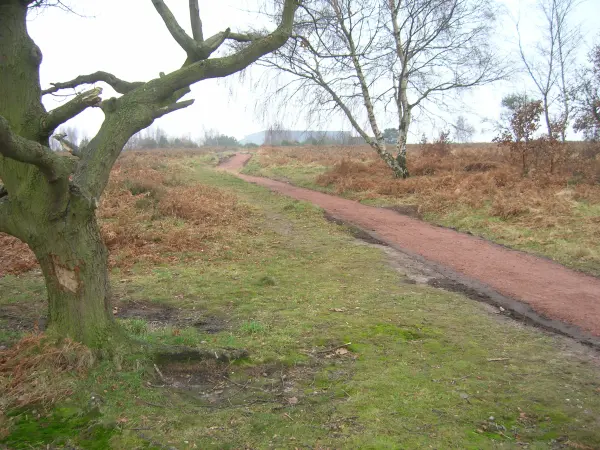
Oak Tree Heath
The Sherwood Forest Trust manages this site on behalf of Mansfield District Council.
We have been working intensively on Oak Tree Heath in Mansfield, removing bracken, self-set silver birch trees and rosebay willowherb, to work towards improving structural diversity and increase species diversity on the heath.
This is particularly important following the fire damage the heath suffered in 2018. Species that will benefit from this work include nightjar, green hairstreak and dinky skipper.

The Neutral Ground
The Neutral Ground is a linear area of acid grassland and heathland habitat situated within the Birklands and Bilhaugh Site of Special Scientific Interest in Nottinghamshire.
Tragically, since 1927, a massive 86% of Sherwood’s heathland has been lost – turned into fields, coalmines, spoil tips, places to build houses. When what’s left is unmanaged, acid grassland and heathland turns to scrub. When it is uncared for, it’s nature value is easily lost. The Neutral Ground is regarded as being host to one of the UK’s largest and most famous Glow Worm colonies, which, in general, are declining as a species throughout the country.
Thanks to our efforts of restoring the Heathland at Neutral Ground, the number of female glow worms found at the site rose from only 1 in 2021, to an impressive 25 in 2023. It is hoped there is also a similar amount of males, which do not glow. The glow worms will not be visible again until June 2025.