Fire Prevention Project
In partnership with ATTFE
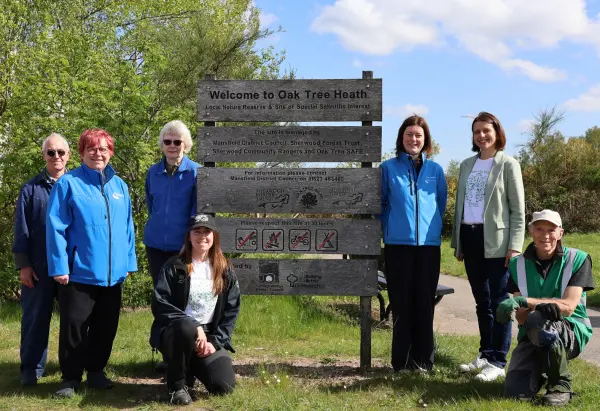
Sherwood’s heathlands are special places, home to a huge range of wildlife and plants, but they’re also particularly vulnerable to fire. During hot, dry weather, a discarded barbecue, single cigarette or, unfortunately, deliberate fires can spread quickly and cause serious damage.
We want to help prevent this from happening by working with young people, schools and local communities to better understand our heathlands, the risks they face and what we can all do to help protect them.

What are Heathlands?
Heathlands are open spaces, with sandy acidic soils, and low lying plants such as heather, gorse, and broom. It is one of our most distinctive and valuable ecosystems, and was a man-made habitat created thousands of years ago in the Bronze Age. These spaces are now protected.
Why are they important?
Heathlands are precious habitats that are home to wildlife such as adders, nightjars and glow-worms. A wide range of species depend on this habitat, and could not survive anywhere else.
The UK holds roughly a fifth of all the lowland heath in the world. Nottinghamshire, once rich in heathland, has lost 80% of its lowland heath since 1800. By protecting heathland, we are allowing the species that depend on it, to thrive.
Why is heathland vulnerable to fire?
Heathlands are DRY.
The shrubs and grasses that grow on heathland are very fine and dry out quickly in the sun, making it very easy to ignite. Heathlands are also wide open spaces with little tree cover, making it more windy which gives fires more oxygen and spreads flames rapidly. It only takes a cigarette butt, a disposable BBQ, or even an abandoned glass bottle to set a fire in these spaces.
Why is education important?
We believe education is key to protecting these precious habitats.
We want to encourage positive behaviour by helping young people understand why their actions matter and giving them a reason to care about these places. Because if you know about the wildlife living there, recognise the plants growing around you and understand how easily a fire can damage the habitat, you’re much more likely to want to help protect it.
What are we going to do?

Sherwood Forest Trust and ATTFE will work with local schools and education providers across Mansfield to develop activities and resources that help young people understand heathlands and fire prevention.
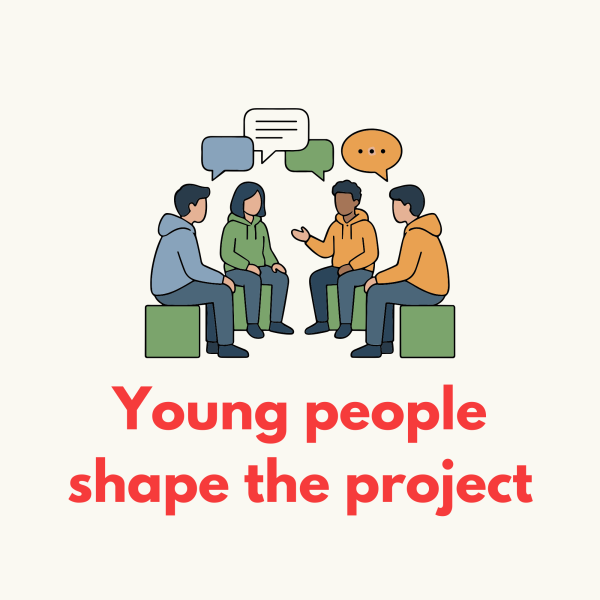
Young people will help us develop the project’s name, messages, and creative resources, including videos, artwork, and more!
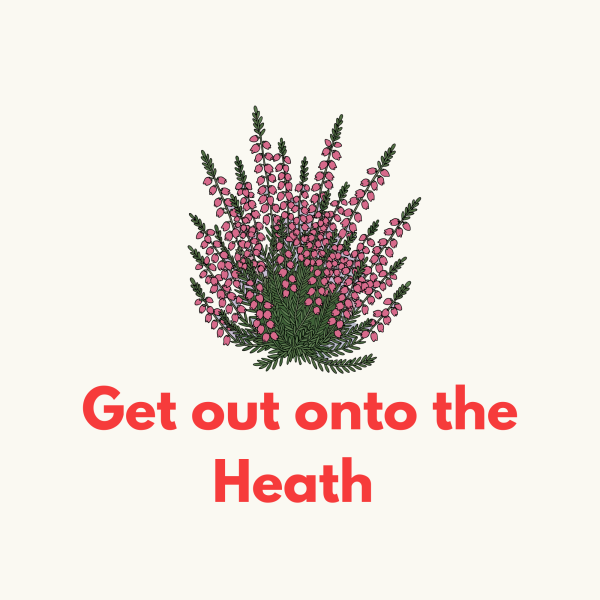
We’ll take learning out of the classroom, helping young people to experience these special habitats first hand, and understand why they need protecting.

We’ll build links between schools, communities, conservation organisations, and emergency services to make fire prevention a shared effort.

We’ll develop education materials that can be used by schools and other organisations, beyond the project for many years to come.
Get involved!
Can you help us shape this project?
We’re looking for schools and education providers to get involved and help us build this project.
We’re still developing the education activities and resources, and we want young people and educators to have a say in what they look like.
If you’re a school, college, youth group, or education provider in the Mansfield area, we’d love to hear from you!